Getting Bail After An Arrest
Are you curious to know how bail works after an arrest? Or how would you get bail if, unfortunately, you get stuck in prison yourself? We are here to answer your questions about bail and how the system works.
Many times, we have heard of people getting bail after being arrested. But have you ever thought about how the suspects pay the bail, or what the underlying process is? If so, this is the article you need to read.
So, first, let's get to know how you can get bail if you ever land in deep trouble.
Table Of Contents
What Is A Bail?
A bail is a form of financial guarantee or security deposit. It ensures that the defendant will appear in court when required. This security amount can vary depending on the severity of the offense and other factors.
If the defendant fails to show up in court, the state will get to keep the bail amount. The judge usually decides on this bail money. The final bail amount is determined after reviewing the defendant's criminal history. If you don't know much about all the legal work, a bail bondsman can do the work for you.
Who Is A Bail Bondsman?
Navigating a bail hearing on your own can be risky. The right criminal defense attorney can argue for a lower bail amount, challenge unfair conditions, or even push for your release on your own recognizance. If you're unsure where to start, read our guide on how to hire a criminal defense lawyer — it walks you through what to look for, what questions to ask, and how to find affordable representation quickly.
In easy terms, a bail bondsman is an agent responsible for releasing a prisoner from jail. This agent handles requirements such as paperwork, taxes, and other fees, and ensures the defendant is released as soon as possible.
Most of the time, the bail money is out of the capacity of the convicts. Bail bond agents in this stance post bail for the defendant and charge 10 to 20 percent of the bail money.
At first, the bail bond company will sign a security contract known as a "Surety bond." This documentation involves matters like if the defendant fails to appear in court, they are accountable for the full bail money.
Bond Vs. Bail: Are They Both The Same?
A bond is what a bond company pays to have the defendant released on behalf of the defendant. Bail is the amount a defendant pays to get out of jail.
What Does Bail Hearing Include?
Getting bail is just the beginning. Once you're out, the clock starts ticking on your next big challenge — the trial itself. Being prepared can make a significant difference in the outcome of your case. Take a look at our step-by-step guide on how to prepare for a criminal trial so you know exactly what to expect and how to give yourself the best possible chance in court.
When a person is in prison, the court or the ruling judge will decide the bail amount. Moreover, there may be other bail conditions, such as being ineligible to travel or limited public visits. Some of the bail hearings are:
Own Recognizance Release
As the name suggests, it is a sort of agreement that the defendant signs promising to return to court. Also, here he will ensure he won't break any rules the court has ordered him to follow. The defendant will ask for his release, and if the court denies it, he will request that the bail be reduced. This kind of hearing is for the defendants who have:
- Parents, spouse, children, or relatives living in the community.
- They have been employed at a reputable company for a long time.
- Or have little to no criminal records in the past.
Personal Bond
The defendant is set free if they get to hear a personal bond by the court. At this stage, the defendant must sign a bond. This bond explains that the defendant would be liable for any criminal or civil crime if he fails to appear in court.
Bail Allotted With Terms of Release
Bail allotted with terms of release is straightforward, and it involves the defendant directly paying the bail set by the court and going free. The defendant can pay the full amount to get bail or use a bail bond company to post a surety bond.
Rejection of Bail
If a defendant is a possible threat or risk to the public, his/her bail will eventually be denied. Ultimately, the defendant must obey the court's order.
How Is Bail Money Decided?
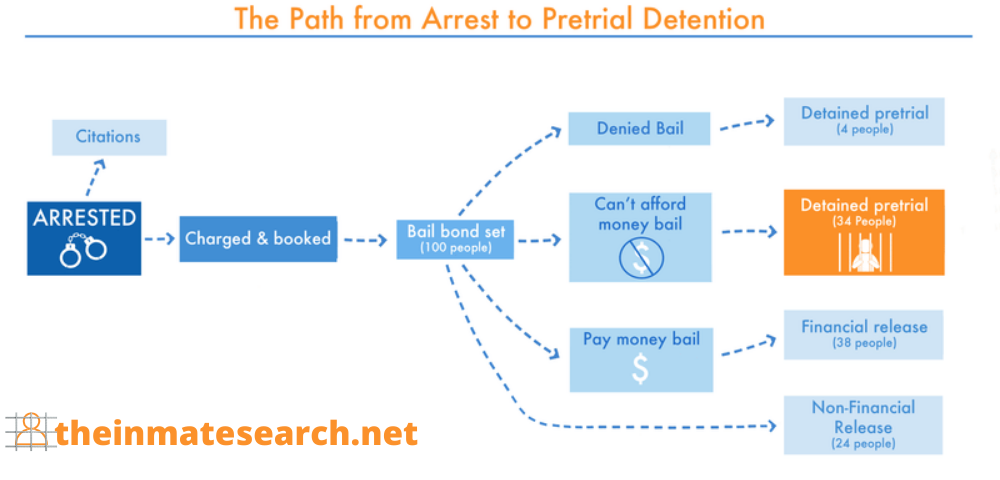
Ruling judges are the primary personnel behind deciding the amount of bail. Every jail has a standard bail schedule that might vary depending on the severity of the crime. In most cases, an arrested person can get bail by paying the amount set.
But if a suspect cannot afford the amount of the bail, he can request the court or the judge to lower it. This procedure depends on the rules of the state you are in.
Bail amounts can run into thousands — sometimes tens of thousands — of dollars, and that financial pressure doesn't fall on the defendant alone. Families are often the ones scrambling to cover costs, all while managing lost household income and mounting bills. If your loved one's arrest has put your family under financial strain, you don't have to figure it out alone. Our guide to financial assistance programs for families of incarcerated people covers government benefits, nonprofit support, and emergency aid options that can help you stay afloat during this difficult time.
What Are The Limitations Of Getting Bail?
The first and foremost rule is that bail must not be excessive. This rule is under the Eighth Amendment to the U.S Constitution. The fundamental reason behind bail is that the defendant is free until proven guilty. Also, the bail is based on the basic condition that the suspect will return to court when required.
The bail amount is not to raise money for the government or to have the suspect remain in jail. Instead, the bail amount should be viewed as financial security and not set too high or too low.
What Can Be The Most Probable Conditions For Getting Bail?
The most common condition for getting bail is that the suspect obeys all of the laws ordered by the court. The suspect would end up in prison if he violated any of the orders. For example, suppose we have a case of domestic violence. In such a case, the court would order the suspect not to contact the victim.
Aside from this, it is necessary that the defendant has not committed any crime, which makes their presence publicly risky. Also, if the suspect has a history of not getting to court on time, then he might not get his bail.
If bail isn't granted or the amount is simply out of reach, your loved one may have to remain in custody while the legal process plays out. In that case, one of the most meaningful things you can do is make sure they have funds available for daily essentials inside. Learn how to send money to an inmate in the US — including which services to use, how commissary accounts work, and what your loved one can actually purchase with those funds.
What Are The Available Options For Getting Bail?
The higher authority decides the bail amount, and the suspect has to pay to get out of prison. Here are some common options in which a suspect can pay the bail money.
- Cash — This is the most straightforward and obvious option. Here, the defendant can pay the entire bail amount and be released. Cheques can also work here. In short, the monetary system will serve as a bail amount here.
- Property — If the suspect fails to get the money for bail, then he can pay up in terms of the property they own. However, the rule is that the property the suspect owns must be worth the full bail amount.
- Other Forms — There can also be other forms, like arranging a bail bond company to pay the bail money. Another option is to use a waiver of payment, which will ensure that the defendant can represent himself in court when required.
What to Do If You Are In Trouble?
Life is a roller coaster, and trouble can come to anyone; however, it is best to prepare for any situation. So, suppose you get into a roadside accident, and you end up in prison. Your judge will decide the bail amount you will need to pay. Try to get bail first. You can either pay in cash or by cheque.
Now, suppose the bail amount is huge, and you don't have that much money, then you have to search for "bondsman near me." Here, you will see competent agents who will post bail for you. Plus, these bail bond companies would charge you much less than the actual bail amount.
Final Words
Hopefully, now you know how to get bail, what the criteria are to decide on bail money, and the conditions and limitations surrounding it. For safety's sake, you must always research "bondsman near me" so you have the right help at the right time.