Reentry To Society After Release: Life After Prison
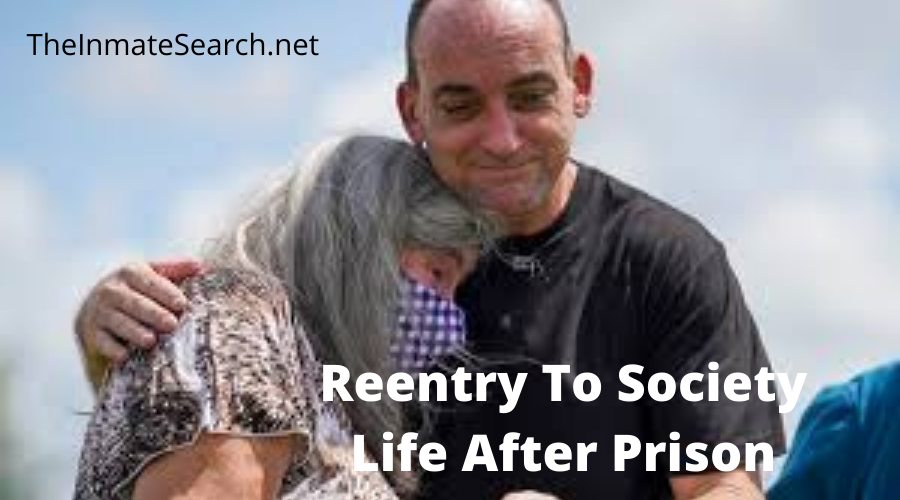
Have you ever thought about how life goes after getting out of prison? What are the problems these people face, and how can they adjust back into society? If yes, then you have landed at the perfect place. Here, we will tell you all about life after prison and how to manage such situations.
Adjusting back into society after being in prison entails a lot of difficulties. One might not only face issues getting accepted by their family but also rejection by society. Often, they won't be able to get jobs or a quality of life.
Reentry challenges can be a bit tough to deal with; however, with the right reentry programs and guidance, you can make the process smooth. First, let's look at some potential issues that may arise upon reentry into society after release.
Table Of Contents
Challenges Faced By Inmates During Reentry Into The Society
An ex-prisoner can face different challenges when he returns to society after incarceration. These challenges can vary at different levels. Here, we will explain how each and every aspect of life can be affected by going to prison.
A smoother reentry often starts with how you spent your time inside. Staying physically healthy, keeping a positive mindset, and avoiding trouble during your sentence can make a significant difference in how well you adjust after release. If your loved one is still serving time, our ultimate prison survival guide can help them make the most of their time inside and come out better prepared.
Challenges Faced At Individual Levels
Here, the challenges are mostly related to the individual himself, and the reentry challenges for these people are far more complex than we can think of. The person has to face a judgmental society and find a new job or get back to work. They also need to readjust to the new rules, technology, and social challenges that changed during their time in prison.
At individual levels, there can be possibilities that the prisoner might have limited education or work experience. It will make it difficult for them to readjust to society and get a stable job.
Due to stigma, they might get rejected in many places, like bars, offices, clubs, gatherings, etc. They need to mentally prepare for rejection and believe that time will heal everything.
One of the most pressing challenges returning citizens face is finding stable employment. A criminal record can feel like a wall between you and a fresh start — but it doesn't have to be. Thousands of people with records land good jobs every year using the right strategies and resources. Read our complete step-by-step guide on how to get a job after getting released from prison and learn exactly how to make it happen.
Challenges Faced Within Families
These challenges are mainly related to groups or primarily families. So, when someone is sentenced, they have to spend a specified time in prison. During this time, he is not in constant connection with the outside world.
However, it also depends on the crime committed whether the prisoner can be allowed to see their loved ones or not. Prisoners who maintain consistent contact with their family members during their sentence might have a lower recidivism rate.
The family members often reject ex-prisoners after prison; they think of them as a financial burden and are unwilling to support them. This can lead to many other problems for a person who wants to get back to everyday life.
Challenges Faced In Job Life
Unfortunately, the challenges here are some of the most difficult ones to overcome. A person who comes out of prison might not have a good time finding a job, and people in their previous workplace might try to avoid them because they committed a crime.
This ex-prisoner might not be able to get a good job, a proper package, or government support packages. There are additional restrictions, too, like not being able to get a credit card or loan. You might also not become eligible to open a business, register a company, or become a director in an existing company.
Potential Restrictions In Society After Release
Reentry challenges await the prisoner as soon as he is out of prison after serving his time. Here are some of the most common problems a person can face in society after being released.
Parole
Parole is the most common post-release restriction that ex-prisoners often face. Parole can vary depending on the severity of the crime, the prisoner's behavior, and the state's rules and regulations.
Most common parole restrictions are confined to a specific geographic area or cannot change their residence without legal permission. Other things may include maintaining a stable job, prohibiting firearms, avoiding bars, and more.
The main reason for parole is to make sure that the prisoner doesn't commit crimes again.
Housing Issue
Another major problem ex-prisoners might face is not being able to find a place to live. Most landowners refuse to rent them houses because of their criminal history.
Even family and friends might reject staying with them, which is why the government has built many reentry homes or second houses for them. They can easily stay in these places until they are resettled in society with a proper job and home.
Employment and Business Restrictions
Most of the companies don't allow ex-felons to work for them. So it's better to find a job that doesn't really care about your past. You will also not be able to take business / personal loans.
Not Able To Vote
Felons are not allowed to vote once they are out of prison. While you might think this isn't a serious problem compared to not having a home or job, voting is the right of every engaged citizen. To this date, 35 states don't allow their ex-prisoners the right to vote. There are about 12 states that specify the amount of time till the ex-prisoners are eligible to vote again.
Reentry Programs
We must provide a welcoming environment to ex-felons who have completed their sentence. They committed a crime and have served for it; now it's our turn to empathize.
The US has some fantastic reentry programs that can be beneficial in easing the adjustment to society. Let's briefly look at some of these reentry programs.
Ban The Box
Ban The Box is a national campaign working to remove the check box for a criminal record on job applications. This reentry program may help many ex-prisoners get reentry jobs. In 2015, while at Rutgers University, Barack Obama declared that the federal government must support this campaign.
Ride Home Program
It is a reentry program in California that helps ex-offenders get back into their lives. They have a policy of picking up inmates upon their release and taking them home. From there on, they help them adjust to their everyday routine.
Pigeon.Ly
Pigeon.Ly is the most important, significantly convenient, and cheaper reentry program. This program ensures that the inmates stay in contact with their families or loved ones. To reduce the risk of future crime among ex-offenders, they must maintain stable relationships with their families.
Financial Help for Families
Financial instability is one of the leading reasons people struggle during reentry. From housing costs to basic living expenses, the gap between release and the first paycheck can be difficult to bridge. If you or your family are feeling that pressure, our guide on financial assistance programs for families of incarcerated people covers government benefits, nonprofit support, and emergency aid options that can help keep things stable during the transition.
Bottom Line
A sentenced felon might have committed a crime in the past because of his unfortunate decisions. We must take care of them because it might eliminate their likelihood of committing the crime again.
The barriers discussed above can make them feel frustrated or even hostile. Remember, no punishment can heal a soul; only love can. And a person can be loved only by their family and friends.
After spending time in prison, getting back to life can be tricky. If you or any of your loved ones are suffering from this time, make sure to support them emotionally. Remember, patience is the key. With the right reentry program, one can overcome all the reentry challenges into society.